
The #1 Reason To Open An IRS Tax Account

Benefits of a tax account

Signing up for an IRS tax account has multiple benefits. You can apply for an installment payment plan, request tax transcripts, sign powers of attorneys. Most importantly, you can view your tax activity. Why is this important?

Cases have increased in which taxpayers try to e-file their tax returns, only to have them be rejected because a return under that social security number has already been filed. This problem is more likely to go unnoticed by taxpayers who do not file every year, like senior citizens. If you have a tax account, and you check it routinely, you can catch a problem before it snowballs.

It’s also not unheard of to have tax professionals change information on a client’s return after the client has left the office. If this were to happen, you can check the tax return on file against the tax return copy you were given.

Signing up for a tax account

To open a tax account with the IRS:

>Click on “Get your tax record”.

 >Under, “Access Tax Records in Online Account”, click on “Visit or create your Online Account”.

  >Click on “Sign in to your Online Account”

   >Next, you’ll be prompted to sign in with your ID.me login.

If you don’t already have an ID.me account you’ll have to create one. ID.me verifies taxpayers’ identities by having them upload  selfies and pictures of their IDs. Once you create an ID.me account you’ll be able to access your tax account.

As identity theft crimes keep rising, it’s important for us to remain vigilant as best as we can, not just of our own finances, but of our loved ones as well. This is just another one more way to do so.
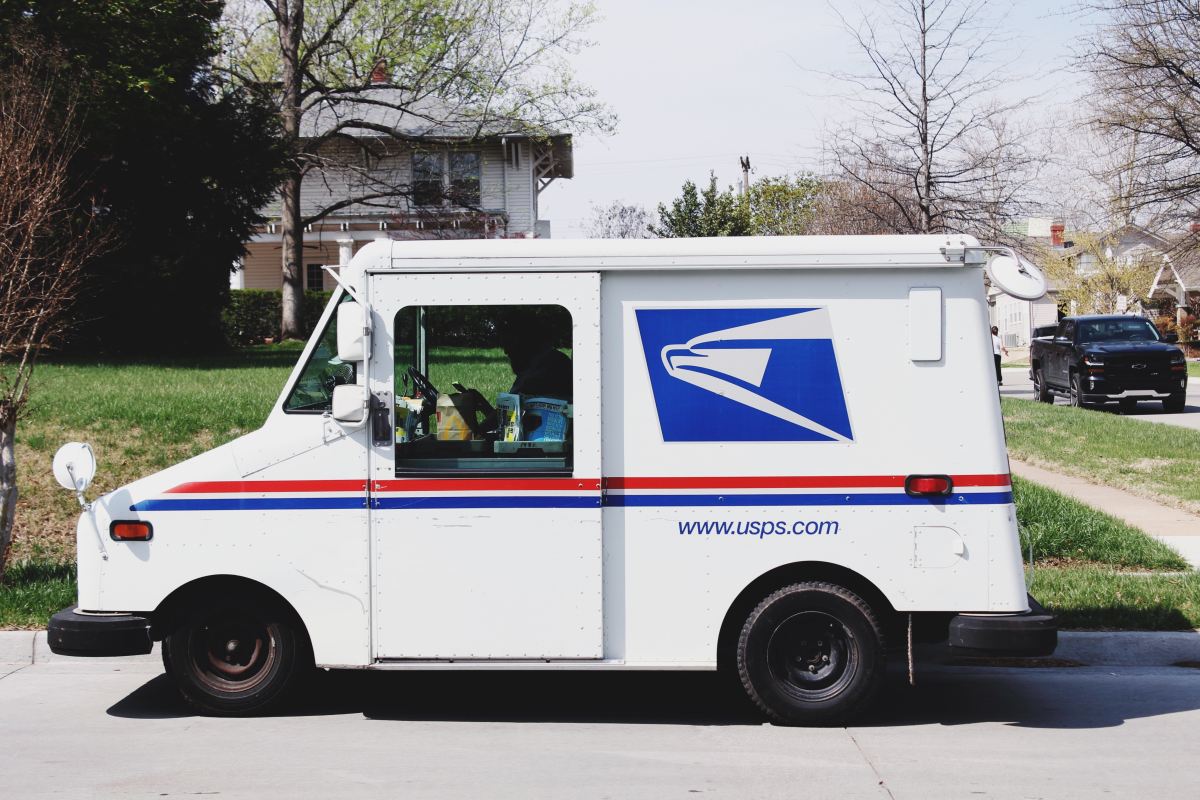

Did You Claim The Employee Retention Credit? You Might Receive A Letter From The IRS.

The Employee Retention Credit came about as a result of mandatory shutdowns during the Covid pandemic. It was a credit meant to help businesses who at the time had paid employees, but who were forced to shut down. The ERC covered the periods after March 19, 2020 and before January 1, 2022. For a complete eligibility list go here.  

In December of 2023 the IRS started looking into possible fraudulent claims of the credit. While businesses that claimed the credit without being eligible may face interest and penalty charges, the IRS acknowledges that many businesses claimed the credit as a consequence of “aggressive marketing” by promoters looking to benefit from businesses claiming the credit. As a result, the IRS is allowing businesses to withdraw from claiming the credit if they haven’t received payment or if they’ve received a check but haven’t cashed it yet. If this is your case, you can go here to start the withdrawal process. For those who have received payments, the IRS plans to release a voluntary disclosure program.

At the moment the IRS’s main concern is businesses who claimed the credit, but which did not exist during the eligibility periods, and those that did not have any paid employees. According to the IRS, the number of businesses set to receive disallowance letters is around 20,000.

If you were persuaded to claim the credit but aren’t sure if you were eligible to claim it, review the eligibility list. If you don’t qualify for the credit and haven’t received payment, or if you received a check but haven’t cashed it, consider starting the withdrawal process. The IRS assures claimants that the tax agency will act if the credit was never claimed.

Guard Your Personal Information Against Tax Scammers

Tax season is officially here, and with it are tax scams. Common among them are e-mail and text scams meant to look like they come from the IRS and other tax agencies. These scams aim to get your personal information, including your banking information. Some scammers have become successful enough that cybersecurity experts at Securonix have begun tracking them ahead of tax season.

Taxpayers who fall for these scams do so because they received messages claiming outstanding refunds, or in some cases outstanding tax bills. If you ever receive an e-mail or text from what seems to be a tax agency, do not reply or click on any links. Instead, capture a screenshot of the message and send it to phishing@irs.gov. The IRS encourages taxpayers to report these scams in order to make other taxpayers and tax professionals aware of them.

It’s important to know that the IRS initiates contact with taxpayers through mail correspondence. If you suspect that a letter with an IRS letterhead could be a scam, you can always verify its authenticity by calling the IRS directly.

Taxpayers can also create a tax account with the IRS. If you create an account you’ll be able to monitor new account activity and information, and know for sure if the IRS is actually trying to communicate with you. To sign up for a tax account go to https://www.irs.gov/, and click on “Sign in to your account.” If you don’t already have an ID.me account you’ll have to create one.